…for those who weren’t around in 1998…
A reprint from another source.
In Honor of Matthew, Paul, and the thousands who’ve been and are the targets of Hate in our country and in the World. As human beings, I believe we must remain vigilant and (especially in these times) strengthen that vigilance, our presence, our awareness and our willingness to call out Hate for what it is, each and every time we encounter or witness it.
Silence is Permission.
- Kile Ozier
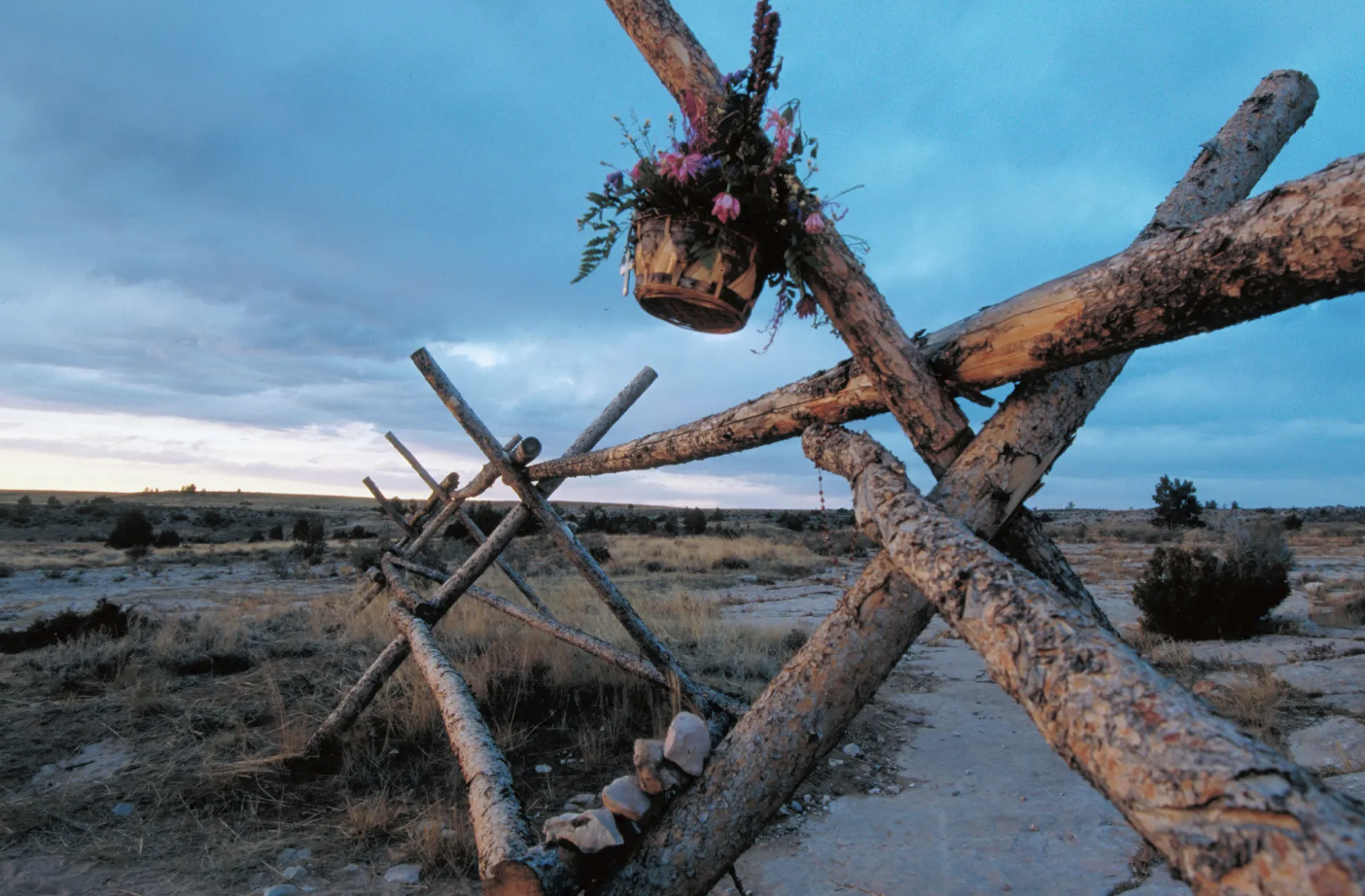
Where Matthew Shepard hung for 18 hours, face covered in blood, except for where his tears washed it away…
…October 6, 1998.
“Eighteen Hours on a Split-Rail Fence: The Boy They Beat Until His Skull Cracked, Left to Freeze Alone Under the Wyoming Stars, While a Nation Finally Wept… and Then Quietly Looked Away From Every Other Soul To Whom They Did the Same Damn Thing.”
-Joshua J. Whittington
June 14, 2026
Listen to me now, this is not some tidy little obituary you can skim and move on from. This is the story of a real human being — flesh, blood, dreams, and all — who was hunted, beaten, and discarded like garbage on a freezing Wyoming prairie because two cowards decided his very existence was an insult to their manhood.
And I’m going to make you sit with every ugly, heartbreaking second of it. Because if your eyes don’t sting and your throat doesn’t tighten by the end, then maybe you’re not paying attention to what this world still does to people who dare to love differently.
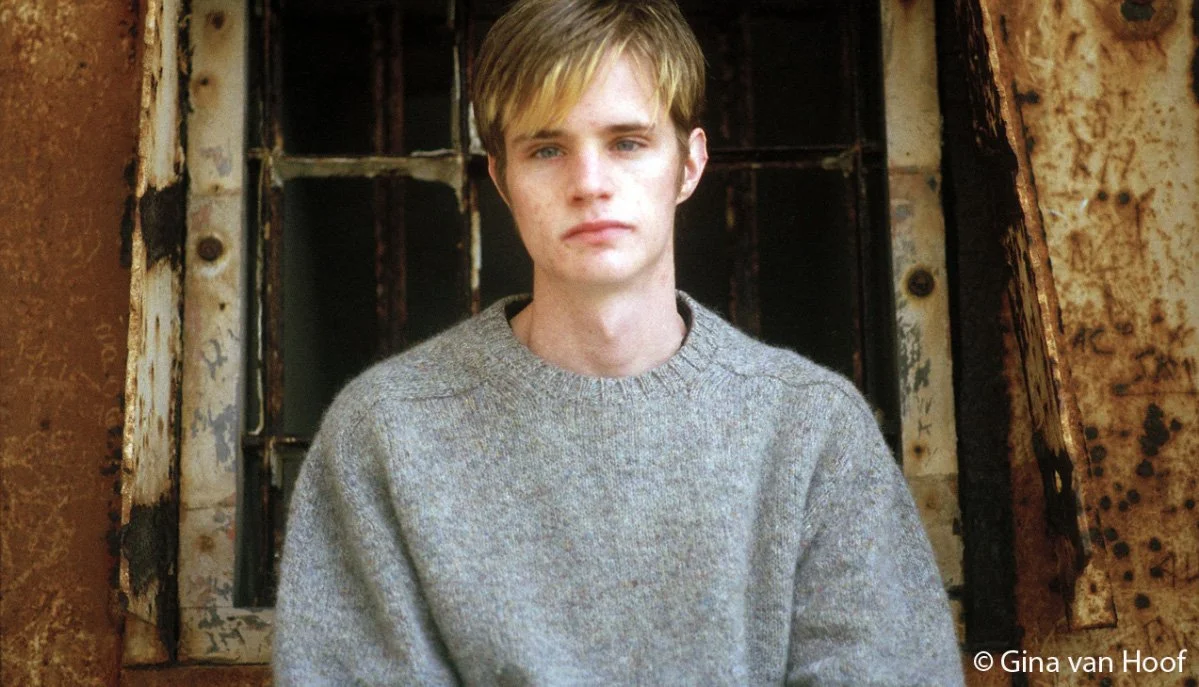
Matthew Shepard
Matthew Wayne Shepard came into this world on December 1, 1976, in Casper, Wyoming — the first son of Judy and Dennis Shepard, with a little brother Logan who would follow five years later. He was small from the start, slight of frame, the kind of kid other boys teased for not being rough enough, not athletic enough, not “manly” enough. But he had a light in him. He served as an altar boy in the Episcopal church, made friends easily, and carried an almost stubborn optimism about people. He believed — really believed — that folks could be better if you just gave them the chance to see you as human.
Life yanked the family around. Dennis’s work in the oil fields took them to Saudi Arabia. Matthew finished high school at the American School in Switzerland, where he threw himself into theater, picked up German and Italian, and got elected peer counselor because people trusted him. He traveled.
He saw the world. He came back with a hunger for something bigger — politics, languages, foreign relations, a life where he could stand up for the underdog the way he wished someone had stood up for the small, quiet kid back in Casper.
But darkness had already touched him. In 1995, during a high-school trip to Morocco, he was abducted, beaten and raped.
The trauma carved deep scars. Depression. Panic attacks. Hospital stays. Suicidal thoughts. He carried that wound quietly, the way so many survivors do, while still trying to build a future. He bounced through a couple of colleges before landing at the University of Wyoming in Laramie as a political science major with a languages minor.
He was openly gay. He showed up to the campus LGBT group meetings. He was 5-foot-2, maybe 105 pounds soaking wet, and he still believed the world could be talked into decency.
On the night of October 6, 1998, after one of those meetings, Matthew walked into the Fireside Lounge in Laramie. He was 21 years old. He had his whole life in front of him — or so the lie of youth tells us.
Aaron McKinney and Russell Henderson were there too. Same age. They spotted the small, approachable young man and saw an easy mark. They pretended to be gay. They smiled. They offered him a ride. And Matthew, maybe lonely, maybe just hopeful that these two strangers saw him as a person and not a target, got in the truck.
What happened next is the part that should haunt every decent soul on this planet.
They drove him out to a remote split-rail fence east of town.
They robbed him.
Then they beat him. Not just a beating — a sustained, savage pistol-whipping with the butt of a .357 Magnum.
They smashed his skull again and again until it fractured in multiple places, until his brainstem was damaged beyond repair, until blood covered his face…
…except where his own tears had washed paths through it.
They tied him to that fence — arms outstretched, head lolling — and left him there in the near-freezing October night, pants partially down, alone, broken, and dying.
Eighteen hours.
Eighteen hours of that small body hanging on a wooden fence like some grotesque scarecrow while his brain swelled and his organs began to shut down. The cold wind cutting through his clothes.
The stars overhead indifferent. Maybe he was conscious for some of it. Maybe he whispered for his mother. Maybe he thought about the life he was supposed to have — the speeches he might give, the countries he might visit, the man he might one day love without fear.
We’ll never know. The only mercy is that he slipped into a coma before the end.
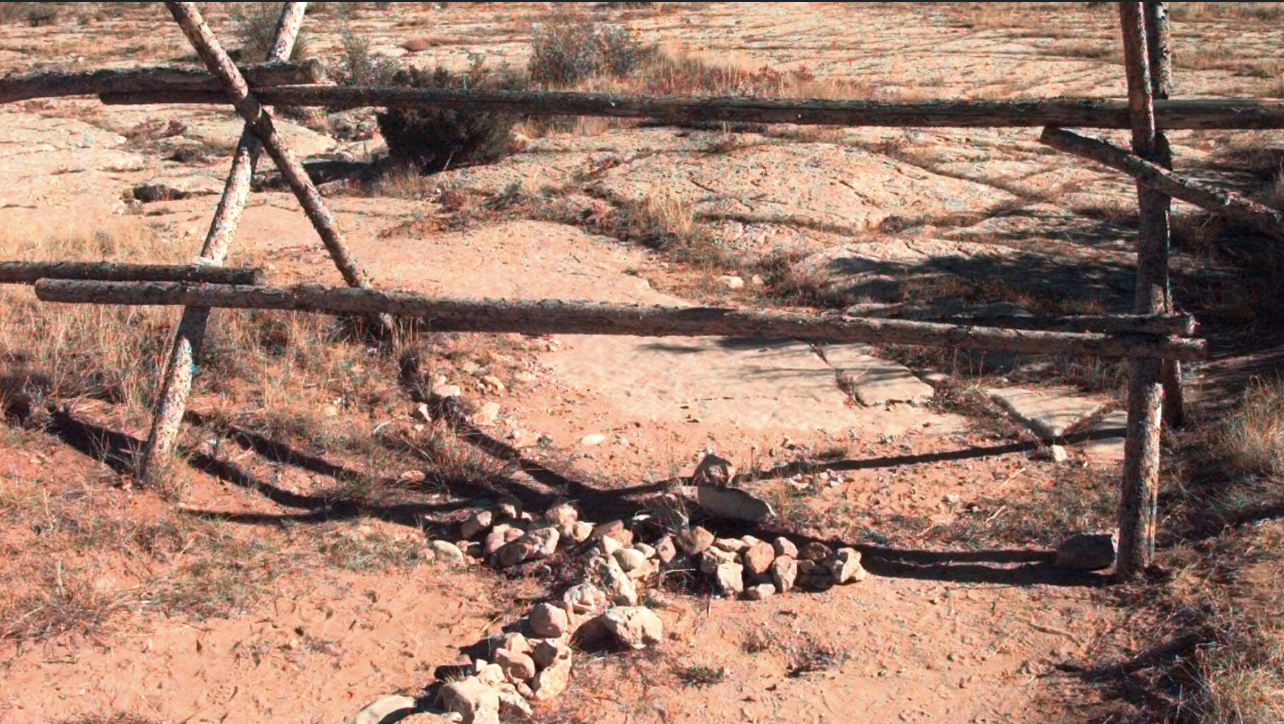
30 years later
A mountain biker named Aaron Kreifels found him the next evening. At first he thought it was a Halloween dummy someone had propped up as a sick joke. Then he saw the blood. The breathing. The impossible reality that this was a human being to whom someone had done this.
Officer Reggie Fluty got there first. She cleared his airway with her bare hands because the medical gloves were faulty. Later she had to take AZT because she’d been exposed to his blood — and only then did the world learn Matthew was HIV-positive, a fact his mother Judy would hear while her son lay dying in Poudre Valley Hospital in Fort Collins, Colorado. Another violation from years earlier now delivered like a fresh wound at the worst possible moment.
Matthew never woke up.
His parents and brother kept vigil as machines breathed for him. The fractures to the back of his head and in front of his right ear were too catastrophic for surgery.
On October 12, 1998, at 12:53AM, Matthew Wayne Shepard — 21 years old, kind, hopeful, already carrying more pain than most people endure in a lifetime — died from blunt trauma. His family was right there. And still, he was gone.
The media storm that followed was unlike anything most small-town murders ever see. National networks. International headlines. Candlelight vigils from Laramie to London. The image of that fence became seared into the national conscience.
Westboro Baptist Church showed up to protest the funeral with their “God Hates Fags” signs — because even in death, some people couldn’t resist kicking the vulnerable.
McKinney and Henderson were arrested quickly. Henderson pleaded guilty and took two consecutive life sentences. McKinney went to trial. The defense tried the old “gay panic” nonsense — that Matthew had made a pass and McKinney just snapped. The judge threw it out. McKinney was convicted of felony murder and kidnapping. Both men received two consecutive life terms without parole.
Later, McKinney himself admitted in an interview that hatred for homosexuals had played a part — that Matthew’s “weakness,” his “frailty,” his obvious gayness had factored into the targeting.
Judy and Dennis Shepard did the only thing left that made any sense: they turned their bottomless grief into a weapon against the very hate that killed their son.
On what would have been Matthew’s 22nd birthday, they founded the Matthew Shepard Foundation. Its mission was never just about one dead boy — it was to teach parents to love their questioning kids instead of throwing them away, to replace hate with understanding, compassion, and acceptance.
Judy became one of the most tireless advocates this country has ever seen. Their work, alongside the family of James Byrd Jr., helped push through the Matthew Shepard and James Byrd Jr. Hate Crimes Prevention Act, signed into law by President Obama in 2009.
Matthew’s ashes now rest in Washington National Cathedral. His story inspired “The Laramie Project,” books, songs, and a generation of activists.
But here is where the story gets even more unbearable, and where I ask you to stay with me.
While Matthew’s face was on every television screen and newspaper in America, while politicians made speeches and foundations were born and plays were written, there were hundreds — maybe thousands — of other LGBTQ people in that same decade of the 1990s whose names you have never heard and never will.
Young men beaten to death in alleys behind bars in cities you’ve never visited. Trans women, especially trans women of color, strangled or shot or stabbed in motel rooms and their deaths written off as “unknown circumstances” or “lifestyle-related.”
Lesbians whose murders were treated as domestic disputes rather than hate crimes.
Poor kids in rural counties whose bodies were found in ditches and whose cases were closed before the ink on the police report was dry because “everybody knew he was that way.”
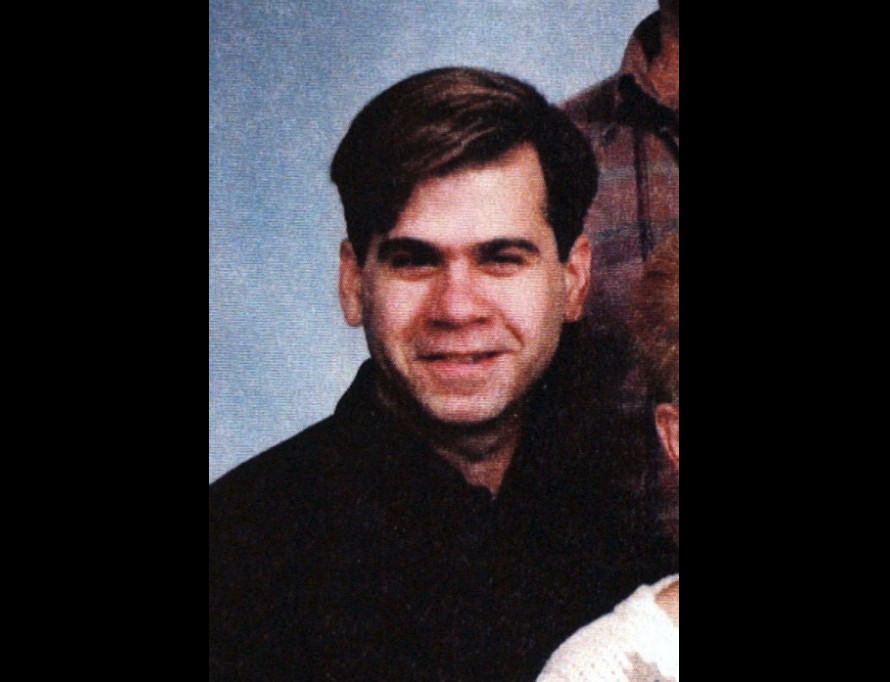
Paul Broussard
Take Paul Broussard in Houston, July 4, 1991.
A 27-year-old banker, walking with friends in the Montrose neighborhood after a night out. A pack of intoxicated suburban teenagers — the so-called “Woodlands Ten” — asked for directions to a gay club, then turned on them. They chased the three men.
Paul didn’t escape. They beat him and stabbed him repeatedly. He died hours later at the hospital.
The initial media coverage was minimal. It took furious organizing by Houston’s LGBTQ community — protests that shut down streets, relentless pressure on police and papers — before the story even got real attention locally. One of the attackers, 17-year-old Jon Buice, eventually got 45 years. The others got less.
There was no national outcry. No foundation launched in Paul’s name that captured the country’s imagination. No play performed in high schools across America forcing people to confront what happened in Montrose. Just another gay man dead, another family destroyed, and life moving on for everyone except the people who loved him.
And Paul at least got some attention after the community fought for it. There were others — many others — who got nothing. No headlines. No vigils. No congressional hearings. Just quiet funerals attended by a handful of devastated friends and family, and then the slow, merciless erasure that time and indifference always bring.
Their names fade a little more every single year. The mother who still sets a place in her heart on birthdays that no one else remembers. The father who can’t say his son’s name out loud without his voice cracking. The siblings who grew up in the shadow of a loss the rest of the world never even registered.
That is the part that should make you sick with sadness and rage.
Matthew Shepard’s murder broke through because he was white, because he came from a stable two-parent home, because he was a college student studying something respectable, because his parents were articulate and photogenic and refused to let the story die.
Those things shouldn’t matter — a life is a life — but in this broken country they still do. The ones who don’t fit that narrow window of “sympathetic victim” get left on the cutting-room floor of history. Their stories don’t trend. Their deaths don’t spark federal legislation. Their faces don’t end up on posters or in cathedrals.
And every year that passes, the forgetting gets a little deeper for all of them — Matthew included, eventually. The fence where he died is still there, but the grass grows around it. The candlelight vigils get smaller. The young people who weren’t even born in 1998 scroll past the anniversary posts without pausing.
That’s how it works. That’s how hate keeps winning quietly — not just in the moment of the beating, but in the long, slow silence afterward.
You sitting there reading this right now — you are alive. You have breath in your lungs and time left on the clock. Maybe you’re straight, maybe you’re gay, maybe you’re somewhere in between or outside it all. It doesn’t matter. What matters is that you are not tied to a fence in the Wyoming cold with your skull caved in. You are not lying in a hospital bed while your mother learns the worst possible news in the worst possible moment. You are not one of the forgotten names whose story never made it past the local crime blotter.
So what are you going to do with that obscene, unearned gift?
Acceptance is Not Optional
The Matthew Shepard Foundation still fights every single day to make sure no more kids get left on fences — literally or figuratively. They train law enforcement. They push for safe schools. They remind anyone who will listen that acceptance is not optional if we want to call ourselves civilized. But they can’t do it alone. None of us can.
Remember Matthew. Yes. Cry for him. Rage for him. But do not stop there.
Remember the ones whose names you’ll never know. Remember Paul Broussard and every other soul whose story was buried under “robbery gone wrong” or “personal dispute” or simple, cowardly silence.
Say their names when you can. Fight for the ones still breathing who are scared to walk down the street holding their partner’s hand. Vote like lives depend on it — because they do.
Speak up when you hear the old slurs or the new dog whistles. Love the people in your life so hard and so openly that the next generation doesn’t have to hide who they are just to survive.
Because here is the brutal, beautiful truth: every single one of us is walking around with an expiration date we didn’t choose. Matthew’s came far too soon, on a cold fence, because hate got the last word that night.
The only way we honor him — and all those whose names have already been lost to the wind — is to make damn sure that when our time comes, it isn’t because we looked away while someone else’s light was being extinguished.
Now put this down. Get up.
Look at the people you love. Hold them a little tighter tonight. And then go out and do something — anything — so that the next Matthew, the next Paul, the next forgotten name, gets to grow old instead of dying young and alone in the dark.
That’s the only ending that doesn’t make you want to weep for the rest of your life.
-J. Whittington
Vigilance.
All of Us.
Humanity - concept and body - is under attack.